

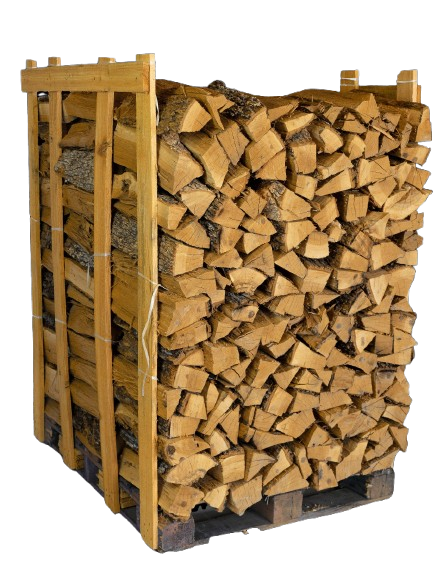
Product: Firewood
Material: Natural Hardwood Logs
Application: Residential Heating, Fireplaces, Wood Stoves, Cooking, and Outdoor Use
Firewood is a traditional and reliable natural fuel used for heating, cooking, and recreational fires. High-quality firewood is produced from natural hardwood species that are cut, split, and properly seasoned or kiln-dried to ensure efficient burning and consistent heat output.
Because of its low moisture content and natural density, properly prepared firewood provides long burning time, strong heat output, and minimal smoke, making it suitable for fireplaces, wood stoves, pizza ovens, outdoor fire pits, and industrial wood-fired heating systems.
Firewood remains one of the most widely used renewable biomass energy sources and is valued for its natural warmth, sustainability, and traditional heating performance.
Key Advantages
High and natural heat output
Long burning time when using hardwood
Environmentally friendly renewable fuel
Suitable for fireplaces, stoves, ovens, and outdoor use
Easy storage and handling
Natural alternative to fossil fuels
Types of Firewood
Hardwood Firewood
Hardwood firewood is the most commonly used firewood type for heating because of its high density and long burning time.
Popular hardwood species include:
Oak firewood – very dense wood with long burn time and strong heat output
Beech firewood – clean burning with excellent heat performance
Birch firewood – easy to ignite with bright flame and pleasant aroma
Ash firewood – burns well even with moderate moisture content
Hardwood logs are ideal for home heating, fireplaces, wood stoves, and wood-fired ovens.
Softwood Firewood
Softwood firewood is lighter and easier to ignite, making it suitable for kindling, quick heating, and outdoor fires.
Common softwood species include:
Pine firewood
Spruce firewood
Fir firewood
Softwood burns faster than hardwood but is often used for starting fires or for short-duration heating needs.
Firewood Sizes and Dimensions
Firewood logs are typically cut and split into standard sizes to ensure easy handling and efficient burning.
The most common firewood log length ranges between 25 cm and 33 cm, which is ideal for most fireplaces and wood stoves. Some industrial or commercial heating systems may use longer logs up to 50 cm depending on the size of the combustion chamber.
The diameter of split firewood pieces generally ranges from 6 cm to 15 cm, depending on the splitting process and log size. Smaller diameter logs ignite more quickly, while larger pieces burn longer and provide sustained heat.
Firewood is usually supplied as split logs, which improves drying, combustion efficiency, and ease of use.
Product Specifications
High-quality firewood is carefully processed to ensure reliable performance during combustion.
The moisture content of seasoned or kiln-dried firewood is typically below 20%, allowing efficient burning with reduced smoke and improved heat output.
The calorific value of hardwood firewood generally ranges between 4.0 and 4.5 kWh per kilogram, depending on the wood species and moisture content.
Firewood logs are naturally cut and split, which allows better airflow during combustion and promotes stable burning performance.
Packaging Options
Firewood can be supplied in several packaging formats depending on customer requirements.
Small retail quantities are commonly supplied in net bags or bundled firewood packs, which are convenient for household use, fireplaces, and camping.
For larger deliveries, firewood is often supplied in stacked pallets or wooden crates. Palletized firewood allows efficient transport, easy storage, and forklift handling.
Firewood can also be delivered in bulk truck loads, especially for commercial buyers or large heating installations.
All pallets and packaging are prepared to ensure safe transport and protection of the firewood during delivery.
Applications
Firewood is widely used across many heating and cooking applications.
Residential fireplaces and wood stoves
Outdoor fire pits and camping fires
Pizza ovens and wood-fired cooking
Saunas and traditional heating systems
Industrial wood-fired boilers
Because of its natural burning properties, firewood provides reliable heat, natural flame, and a pleasant wood aroma during combustion.
Storage Instructions
Store firewood in a dry and well-ventilated location
Keep firewood elevated off the ground
Protect firewood from rain and direct moisture
Allow proper air circulation around stacked logs
Avoid storing firewood directly against walls to prevent moisture buildup
Proper storage helps maintain low moisture content and ensures optimal burning performance.
Safety Information
Firewood is a natural and environmentally safe heating fuel
Avoid excessive smoke exposure in poorly ventilated spaces
Store firewood away from open flames before use
Use proper ventilation when burning firewood indoors
Keep firewood protected from moisture or water exposure
Sustainable Biomass Fuel
Firewood is a renewable and sustainable energy source when harvested from responsibly managed forests. Using firewood helps reduce dependence on fossil fuels and supports environmentally responsible heating solutions.
Its natural composition and efficient combustion make firewood a trusted heating fuel used for centuries across the world.