

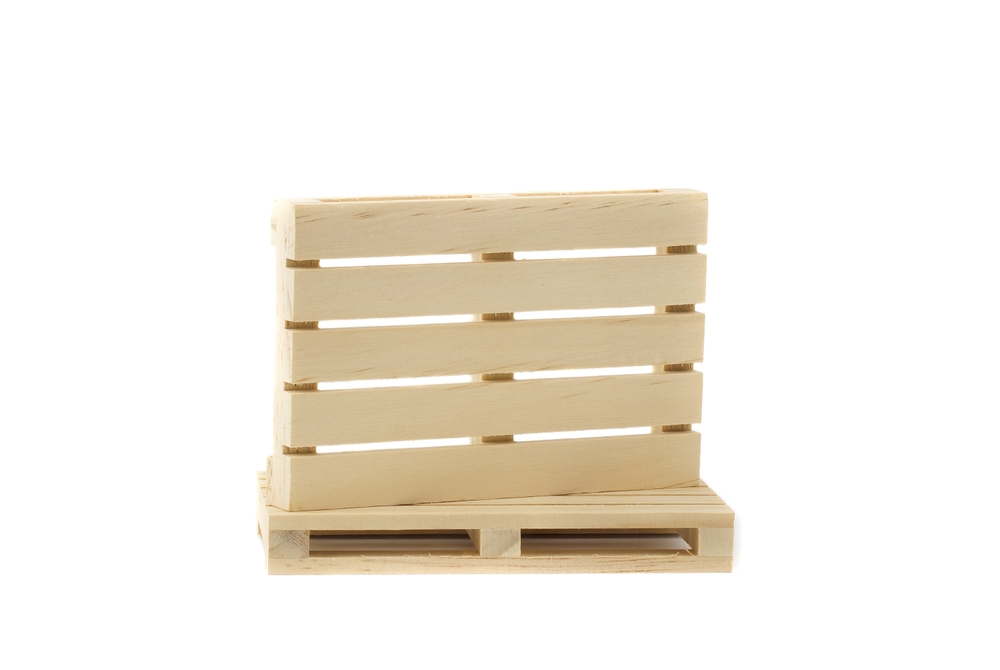
Product: EPAL Euro Pallet
Standard: EPAL / EUR Standard
Material: Solid Wood
Application: Logistics, Warehousing, International Transport
EPAL Euro pallets are the most widely used standardized pallets in Europe and international logistics. Designed to meet strict European Pallet Association (EPAL) specifications, these pallets provide a reliable, durable, and reusable solution for transporting and storing goods across global supply chains.
Manufactured from high-quality solid wood and built according to strict dimensional standards, EPAL pallets ensure compatibility with automated warehouse systems, forklifts, pallet jacks, and racking systems used in modern logistics operations.
Each genuine EPAL pallet is stamped and certified, ensuring it meets the official quality standards required for international freight transport, export packaging, and pallet exchange systems.
Product Description
The EPAL Euro pallet is designed for heavy-duty industrial use, offering strong load-bearing capacity and reliable structural stability. Its standardized dimensions allow it to be easily integrated into transport systems used throughout Europe, Asia, and international shipping networks.
These pallets are widely used in:
-
Warehouse storage systems
-
Truck and container transport
-
Manufacturing and industrial logistics
-
Retail and distribution centers
-
Export shipments and pallet exchange systems
Because of their standardized construction, EPAL pallets enable efficient cargo handling, stable stacking, and optimized loading space in trucks and containers.
Technical Specifications
EPAL Euro pallets follow strict production standards to ensure uniformity and performance across all logistics operations.
Dimensions: 1200 mm × 800 mm × 144 mm
Weight: approximately 20 – 25 kg per pallet
Material: kiln-dried solid wood
Entry Type: 4-way entry for forklifts and pallet jacks
Construction: 11 wooden deck boards with 9 solid wood blocks
Nails: special EPAL certified ring nails
Dynamic Load Capacity: up to 1,500 kg
Static Load Capacity: up to 4,000 kg
Racking Load Capacity: up to 1,000 kg
Each pallet includes official EPAL quality markings, ensuring traceability and compliance with international pallet standards.
ISPM 15 Heat Treatment
All EPAL pallets are heat-treated according to ISPM 15 international phytosanitary regulations, which allows them to be used in international export shipments without additional treatment.
The heat-treatment process eliminates pests and ensures that the pallets meet global export compliance requirements for wooden packaging materials.
Packing and Supply
EPAL pallets are typically supplied stacked for efficient storage and transport.
Standard pallet stacks usually contain 15 to 20 pallets per stack, depending on transport configuration and handling equipment.
Stacks are prepared for forklift handling and secure loading in trucks or containers. Large shipments can be delivered in bulk quantities for warehouses, logistics providers, and industrial customers.
Applications
EPAL Euro pallets are suitable for a wide range of industries, including:
Food and beverage logistics
Manufacturing and industrial production
Retail distribution networks
Agricultural product transport
Export packaging and international freight
Their standardized dimensions make them compatible with European logistics infrastructure, pallet exchange systems, and automated warehouse technologies.
Advantages of EPAL Euro Pallets
Internationally recognized pallet standard
Strong and durable construction
Reusable and repairable design
Compatible with automated logistics systems
Optimized loading for trucks and containers
Environmentally sustainable wood material
Storage and Handling
Store pallets in dry, well-ventilated areas
Avoid direct contact with moisture or wet surfaces
Stack pallets evenly to maintain structural integrity
Use proper forklift handling to prevent damage
Inspect pallets regularly for wear or structural damage
Sustainability
EPAL Euro pallets are part of a circular reuse system, allowing pallets to be repaired, reused, and recycled multiple times during their lifecycle. This makes them an environmentally responsible solution for modern logistics operations.
Wood used in pallet manufacturing typically comes from sustainably managed forests, supporting responsible forestry practices and reducing environmental impact.